




Zoochosis is a psychological and behavioral breakdown mechanic within the survival-horror ecosystem management game Zoochosis. Unlike general horror elements, Zoochosis is deeply tied to how players manage animal welfare, environmental design, and stress thresholds. Instead of being a superficial scare tactic, it operates as a layered system that punishes negligence and forces ethical decision-making. In this article, we will explore in detail how Zoochosis manifests in the game, why it matters, and how it shapes both gameplay and emotional engagement. By focusing on one specific issue—animal behavioral deterioration under poor care—we can see how Zoochosis is not just a feature but the backbone of tension in the game.
The First Signs of Zoochosis in Gameplay
The earliest stage of Zoochosis doesn’t present as outright horror. Instead, players notice subtle shifts in animal routines. Animals stop performing natural patterns, avoid enrichment items, or pace in loops along enclosure edges. This pacing mechanic, while repetitive, signals rising psychological distress. Players who ignore it quickly learn that neglecting enrichment or space is the root of larger problems.
By embedding these subtle indicators, the developers force players into a dilemma: either respond immediately to costly enrichment needs or risk further escalation. This early stage introduces a moral tension between resource management and animal welfare, blending survival with responsibility.
Escalation: From Distress to Violence
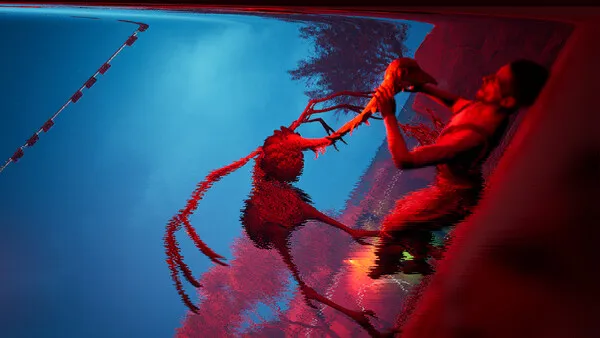
Once Zoochosis advances beyond pacing, animals begin destructive behaviors. Enclosures become damaged, and other animals—or even keepers—may be attacked. The game uses these moments to heighten stakes, transforming a resource-management simulator into a survival horror nightmare.
This escalation is critical because it reveals the chain reaction of negligence. A single ignored need can destabilize entire ecosystems, creating cascading failures that overwhelm players. The violence isn’t random; it’s an intentional manifestation of prolonged psychological stress within the animals.
The Role of Environmental Design
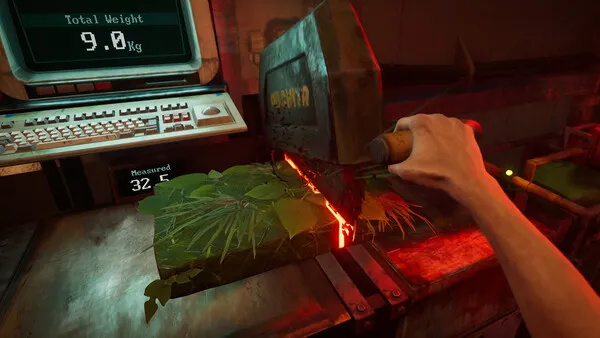
A major factor in triggering Zoochosis is enclosure design. Players who build small, sterile cages unknowingly accelerate psychological breakdown. Lack of variety, absence of shelter, and poor enrichment options contribute directly to stress.
This forces players to consider not just survival but creative architectural planning. A well-constructed environment delays or prevents Zoochosis, making enclosure design as important as resource collection or combat. It blends strategy with horror, punishing efficiency-focused players who ignore animal psychology.
Keeper Negligence and Systemic Collapse
The human element plays a huge role in the Zoochosis cycle. Keepers, often overlooked as secondary NPCs, can neglect duties if overstressed or under-equipped. When keepers fail, animals spiral into worse conditions, accelerating behavioral collapse.
This mechanic adds realism by highlighting systemic vulnerability. Zoochosis doesn’t emerge from one mistake alone but from a chain of compounded failures—poor management, lack of staffing, or misallocation of resources. This holistic approach elevates the mechanic into something terrifyingly believable.
Psychological Horror Beyond Jump Scares
Unlike traditional horror games that rely on gore or sudden frights, Zoochosis uses psychological dread. Watching animals descend into madness because of the player’s mismanagement creates guilt-driven horror. The haunting element isn’t what the animals do—it’s knowing their suffering is preventable.
This guilt mechanic ensures the horror lingers. Even after restarting or fixing mistakes, players recall their earlier neglect. The mechanic transforms Zoochosis from a gameplay loop into a moral scar.
The Ethics of Control
Zoochosis forces players to confront the ethics of animal captivity. Unlike games where animals are disposable resources, here their mental health is central to survival. Players must ask themselves: is efficiency worth cruelty? Is expansion worth deterioration?
By tying success to ethical management, Zoochosis critiques real-world zoological practices. It doesn’t preach directly but forces self-reflection through loss, chaos, and failure. The game makes players complicit in suffering, then challenges them to do better.
Case Studies: Animals Most Prone to Zoochosis
Primates
Primates showcase Zoochosis fastest, given their need for stimulation and social bonds. Isolated primates break down rapidly, leading to violent outbursts.
Large Predators
Carnivores like lions or bears display pacing and aggression when confined. Once Zoochosis sets in, they are the most dangerous to both staff and other animals.
Avian Species
Birds showcase feather-plucking or self-harm. While less lethal, their deterioration visually reminds players of neglect’s consequences.
Player Strategies for Prevention
Preventing Zoochosis isn’t straightforward; it requires balancing resources, enrichment, and staff wellness. Players who over-prioritize profit or speed inevitably face breakdowns.
Strategies include:
- Expanding enclosures early, even at resource cost
- Rotating enrichment to prevent boredom
- Managing keeper workloads to reduce neglect
- Prioritizing species-specific needs
These proactive steps turn prevention into a long-term survival strategy, ensuring stability and sustainability.
The Inevitable Downward Spiral
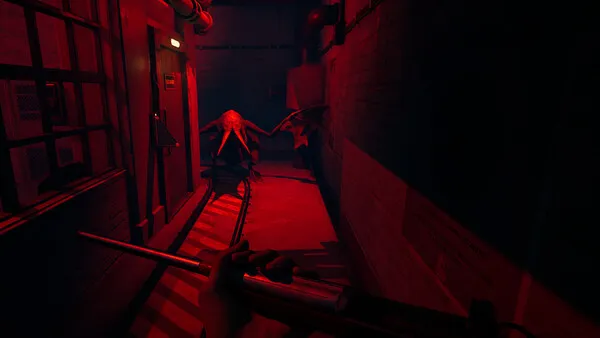
Despite best efforts, Zoochosis often becomes unavoidable in late-game scenarios. As resources stretch thin and enclosures multiply, small oversights snowball into chaos. The game uses this inevitability to create tension, ensuring players never feel fully secure.
This downward spiral keeps the horror fresh. Even skilled players realize that the system is fragile, making every choice feel heavy with consequence.
Zoochosis as a Mirror of Reality
The brilliance of Zoochosis lies in how it mirrors real-world zoological psychology. The pacing, self-harm, and aggression observed in the game reflect actual cases of animals in captivity. The developers didn’t invent these behaviors—they amplified them into a horror mechanic.
This realism grounds the horror, ensuring it resonates beyond the screen. By the time players experience full-blown Zoochosis, they recognize the blurred line between simulation and reality. It transforms entertainment into a disturbing commentary.
Conclusion: The Weight of Neglect
Zoochosis in the game is more than a feature—it’s the central axis of its horror. By linking animal welfare to survival mechanics, it forces players to confront the consequences of negligence. Every pacing step, every act of violence, every collapse is a reflection of poor choices compounded over time. It’s not just about keeping animals alive—it’s about preserving their sanity.
In this way, Zoochosis redefines survival horror. Instead of fearing monsters, players fear the collapse of the ecosystem they themselves designed. It’s a chilling reminder that in management, neglect is the greatest predator of all.