


Zoochosis is one of the most chilling mechanics in the game, transforming routine animal management into a survival-horror challenge. Unlike typical resource systems, Zoochosis blends psychology, ethics, and strategy, forcing players to navigate not just physical survival but the mental welfare of their animals. This guide provides detailed tips and step-by-step strategies to help players understand, prevent, and adapt to Zoochosis. By following these tips, you’ll learn to identify early symptoms, design enclosures, manage staff, and balance survival against compassion.
Tip 1: Recognize the First Warning Signs
The earliest hints of Zoochosis include repetitive pacing, withdrawal from food or enrichment, and unnatural behaviors like constant circling. Recognizing these early ensures small problems don’t snowball into catastrophic breakdowns.
Pay close attention to patterns. Even subtle pacing along fences should be treated as an alarm. A proactive player will address small imbalances before they escalate.
Tip 2: Understand the Causes Behind Zoochosis
Zoochosis is not random—it develops from identifiable causes. Overcrowded habitats, lack of enrichment, and poor environmental design are the most common culprits. Ignoring social needs is another trigger, especially for group-dependent animals.
Players should treat each outbreak like an investigation. Look at the environment, resources, and keeper activity. Identifying the root cause will guide the correct fix.
Tip 3: Design Enclosures That Prevent Stress
One of the strongest tips for prevention is thoughtful enclosure design. Enclosures that mimic natural habitats reduce stress and improve long-term stability. Space, variety, and shelter are all essential for preventing Zoochosis.
Players should avoid sterile, box-like structures. Add complexity—climbing platforms, water features, or hidden corners. The more the animal feels at home, the less likely Zoochosis will emerge.
Checklist for Stress-Free Enclosures
- Ensure space allows roaming and exploration
- Add naturalistic features like trees, caves, or water
- Rotate toys and enrichment tools often
- Create shaded or private areas
Tip 4: Balance Staff Workloads Carefully
Keepers play a pivotal role in animal health. Overloaded or understaffed teams neglect duties, leaving animals stressed and vulnerable. Players must monitor workloads and distribute responsibilities evenly.
It’s often better to have a smaller number of efficient keepers than a large group that constantly fails tasks. Invest in their training and tools to ensure their success.
Tip 5: Act Quickly When Zoochosis Escalates
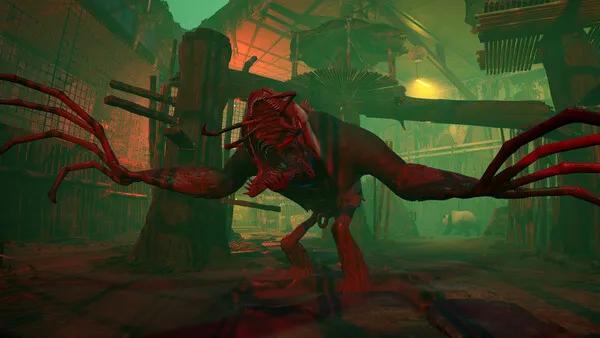
If an animal reaches advanced Zoochosis, hesitation is dangerous. Aggression, self-harm, or destruction of enclosures are signs that immediate action is needed. Isolating the animal temporarily prevents spread and damage.
However, isolation is not a cure—it buys time. Use this window to redesign habitats, add enrichment, or reduce overcrowding. The goal is long-term recovery, not temporary suppression.

Tip 6: Use Enrichment as a Preventive Strategy
Enrichment is a critical tool. Toys, feeding puzzles, and environmental stimulation keep animals mentally active. Without enrichment, animals deteriorate quickly. Rotate enrichment to maintain novelty.
Players who integrate enrichment into daily routines significantly lower Zoochosis risk. Think of enrichment not as an accessory but as medicine for the mind.
Enrichment by Animal Type
Primates
Puzzle feeders and interactive climbing keep primates stimulated.
Predators
Scent trails and hidden food mimic hunting instincts.
Birds
Foraging tools and open flight spaces reduce boredom.
Tip 7: Budget Resources Between Welfare and Survival
Survival games often tempt players to focus only on food or medicine. However, ignoring welfare for too long guarantees Zoochosis outbreaks. The most successful players budget strategically across both physical and mental needs.
Early investment in animal care pays off later. Players who skimp on welfare face larger, costlier crises when Zoochosis spreads across enclosures.
Tip 8: Develop Species-Specific Care Plans
Every species requires unique approaches. Primates break down quickly without social interaction, predators lash out under confinement, and birds self-harm when bored. Understanding these differences is key to tailored care.
Players should not rely on generic setups. Instead, create customized habitats and routines for each species. This level of precision minimizes risk and optimizes animal welfare.
Tip 9: Adapt Strategies During Resource Shortages
Late-game scenarios often create unavoidable shortages. When Zoochosis outbreaks occur, prioritize. Some animals may require immediate intervention, while others can endure short-term stress. Choosing where to allocate resources becomes a survival decision.
This adaptation ensures partial stability even in crisis. By making tough decisions, players prevent complete collapse of their ecosystem.
Tip 10: Learn from Real-World Parallels
The mechanics of Zoochosis are inspired by real-world cases of animal captivity. Pacing, feather-plucking, and aggression are not fiction—they reflect real psychological decline. This adds a haunting realism to the game.
By treating Zoochosis as more than a game mechanic, players learn deeper lessons about responsibility and welfare. The game becomes a reflection of ethics as much as strategy.
Conclusion
Zoochosis is the backbone of the game’s survival-horror identity. By following these tips and guides—spotting early signs, designing thoughtful enclosures, balancing staff, and adapting during crises—players can turn dread into mastery. Zoochosis is not just a challenge but a teacher, forcing us to rethink care, ethics, and responsibility within both virtual and real worlds. The strongest survivors aren’t those who expand the fastest, but those who protect the minds of the creatures they oversee.